
Make your case easier to assess at the final interview
Turn encouraging early interviews into focused final-round preparation, using your job-search history to identify questions still unresolved.
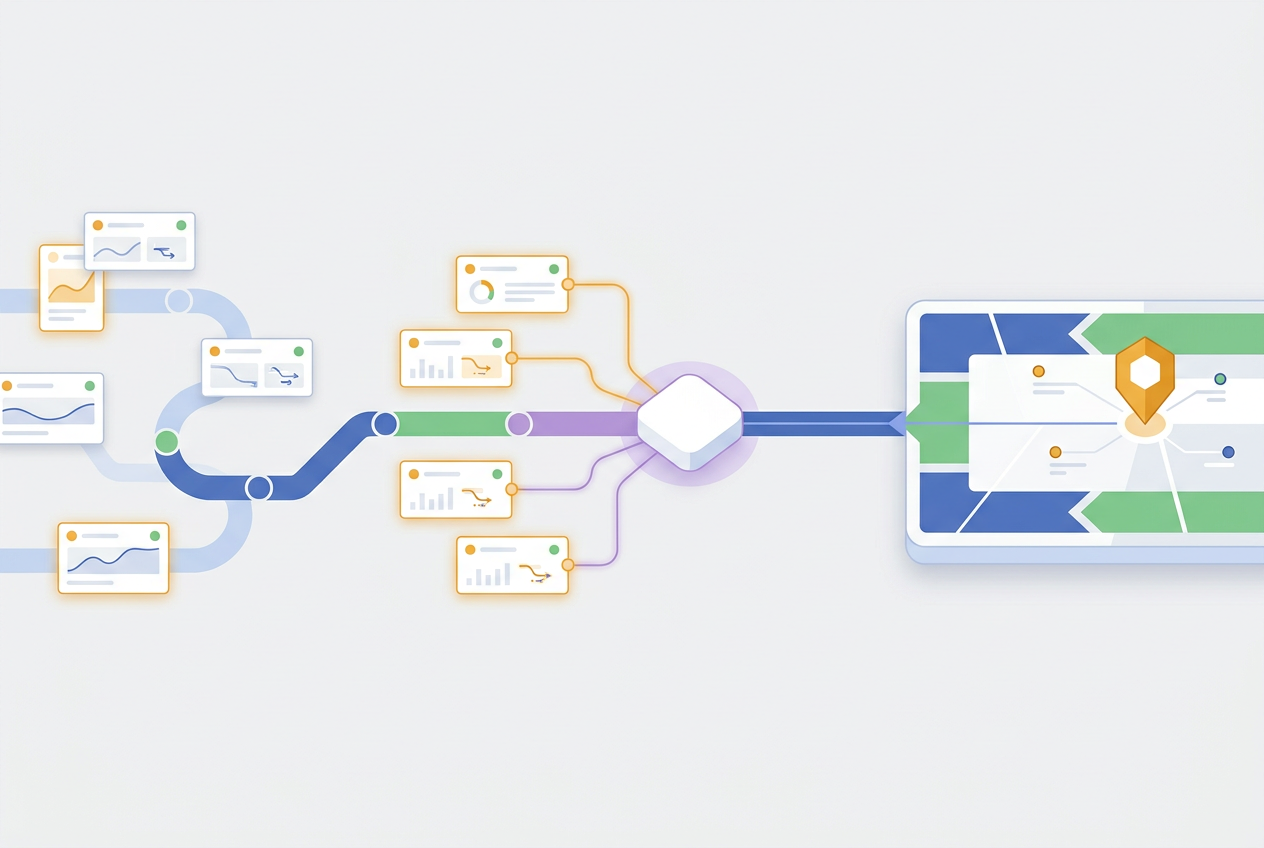
Treat encouraging feedback as a starting point
You leave interviews feeling that the conversation went well. Recruiters stay in touch, hiring managers seem interested, and you keep reaching the later stages. Yet the final decision remains difficult to read.
That does not automatically mean your interview technique is failing. Final decisions can involve competing candidates, changing priorities, budget approval or concerns that nobody has explained clearly. A friendly conversation is useful, but it is not a complete account of how you are being assessed.
Your preparation should therefore move beyond trying to repeat a good performance. Focus on making your suitability easier to assess: what have you already demonstrated, what remains uncertain, and what evidence would help?
Check whether the final stage is really the sticking point
Before changing your approach, look across your applications rather than relying on the most recent disappointment.
In your job-search tracker, distinguish between applications submitted, responses, interviews, final-stage conversations and decisions. Keep active applications separate from completed ones. A process awaiting approval is not the same as a rejection, and an employer cancelling a vacancy tells you little about your interview performance.
If you use Careetra’s Job Search workspace, make your pipeline review part of your preparation rather than leaving it until after a decision.
Read response and interview conversion separately
Response conversion helps you assess what happens after you apply. Progression between interview stages helps you assess what happens after an employer starts speaking with you. These are related signals, but they answer different questions.
If you regularly move from an initial conversation to deeper interviews, your application materials may already be doing their job for those roles. Rewriting your resume before every final round could distract you from more relevant preparation.
Look for patterns within comparable roles. Similar job titles can conceal very different expectations around seniority, ownership and specialist knowledge. Avoid combining everything into a single judgement about whether you are good at interviews.
Review how each opportunity reached you
Channel and resume comparisons can help explain why some processes feel smoother than others. They are not just tools for deciding where to submit your next application.
An introduction through a former colleague may give an employer useful context before you meet. A direct application may leave you explaining more of your background. Different resume versions may also lead interviewers to expect different strengths.
Review the application source and resume used for each late-stage opportunity. Ask yourself:
- What did this application emphasise about your experience?
- Which parts of your background attracted follow-up questions?
- Did the role turn out to match the original description?
- Were you assessed for the same scope you thought you had applied for?
Treat any apparent pattern as a question to investigate, not a verdict. If a channel brings you conversations about poorly matched roles, the preparation issue may begin with role selection rather than your final answers.
Find out what the final conversation needs to resolve
The phrase “final round” describes a place in a process, not a standard interview format. You might meet a senior leader, discuss a practical exercise, explore working relationships or revisit a concern from an earlier conversation.
Ask the recruiter or hiring contact what the meeting is intended to cover. Useful questions include who you will meet, what each person is assessing and whether there is anything from earlier discussions they would like you to expand on.
You can also ask whether the conversation will focus on experience, a scenario, a presentation or mutual expectations. This is sensible preparation, not an attempt to obtain the answers in advance.
If the reply stays vague, use what you already know. Repeated questions about stakeholder disagreement, for example, give you a reason to prepare a detailed account of how you handled competing priorities. They do not establish that anyone has a concern, but they indicate an area worth exploring.
Build a short evidence brief
Gather your notes from the job description and previous interviews into a working document. Organise it around the employer’s needs rather than your career chronology.
For each important requirement, capture the evidence you have already shared, anything still unclear and an example you could use to add depth.
Separate demonstrated strengths from open questions
You may already have established that you understand the technical work. The remaining question could be whether you can explain decisions to non-specialists, work within constraints or take responsibility when a plan changes.
Avoid preparing another broad introduction when the process seems to call for depth. Instead, practise explaining the judgement behind your actions:
- What made the situation difficult?
- What alternatives did you consider?
- What did you personally own?
- How did you assess the result?
- What would you approach differently now?
Keep your account accurate. Explain shared work as shared work, and distinguish an observed result from an outcome you cannot confidently attribute to your contribution.
Prepare for the gaps honestly
If you lack direct experience in an area, do not hide it behind a loosely related story. Identify the closest relevant experience, explain the difference and describe how you would approach the unfamiliar part.
That gives the interviewer something concrete to assess. It also helps you decide whether the employer expects immediate expertise or has room for learning.
Rehearse depth rather than polish
A fluent opening answer is helpful, but your preparation should extend to follow-up questions. Choose examples that can withstand a closer look, including situations that did not go entirely to plan.
Ask a practice partner to interrupt with questions about your assumptions, trade-offs and contribution. If you are rehearsing alone, record an answer and notice where you become vague or rely on phrases such as “we aligned” without explaining what actually happened.
Practise giving a concise answer, then offering more detail where useful. You do not need to deliver every prepared point in every response.
Pay particular attention to consistency with earlier conversations. You can add nuance or correct an oversimplification, but explain the distinction rather than presenting a different account without context.
Use your questions to test mutual fit
Final-round preparation is not only about helping the employer choose. You also need enough information to assess the role.
Ask about unresolved aspects of the work: which priorities compete, where decisions sit, what support is available and what would make the role difficult. Connect your questions to earlier discussions so the conversation moves forward.
If interviewers have described the role differently, raise that neutrally. Explain the difference you noticed and ask how the responsibilities fit together. You may discover a useful distinction, or an ambiguity that matters to your decision.
Near the close, invite clarification about your experience or approach. This creates space to address uncertainty without asking the interviewer to predict the outcome.
Record the conversation before interpreting it
After the interview, write down what was discussed while it is fresh. Separate observable details from your impressions.
Useful notes include the questions asked, examples you used, areas explored in depth, information that changed your understanding of the role and the next step the employer described. “The interviewer asked repeatedly about budget ownership” is more actionable than “I think they disliked my answer”.
Update the pipeline when the status actually changes. If the process ends, record the stated reason separately from your own hypothesis. Where appropriate, ask which aspect of your experience or answers would have benefited from stronger evidence.
Across comparable completed processes, those notes can help you choose a focused adjustment. You might practise explaining decision-making, clarify role scope earlier or change which opportunities you pursue.
You cannot control every final decision. You can make your preparation more specific, your evidence clearer and your review less dependent on how an interview felt.